Hugo Reed · 4 November 2026
Tracing Climate Variability Effects on Harvest Consistency for Independent Botanical Extract Suppliers in Protected Growing Zones
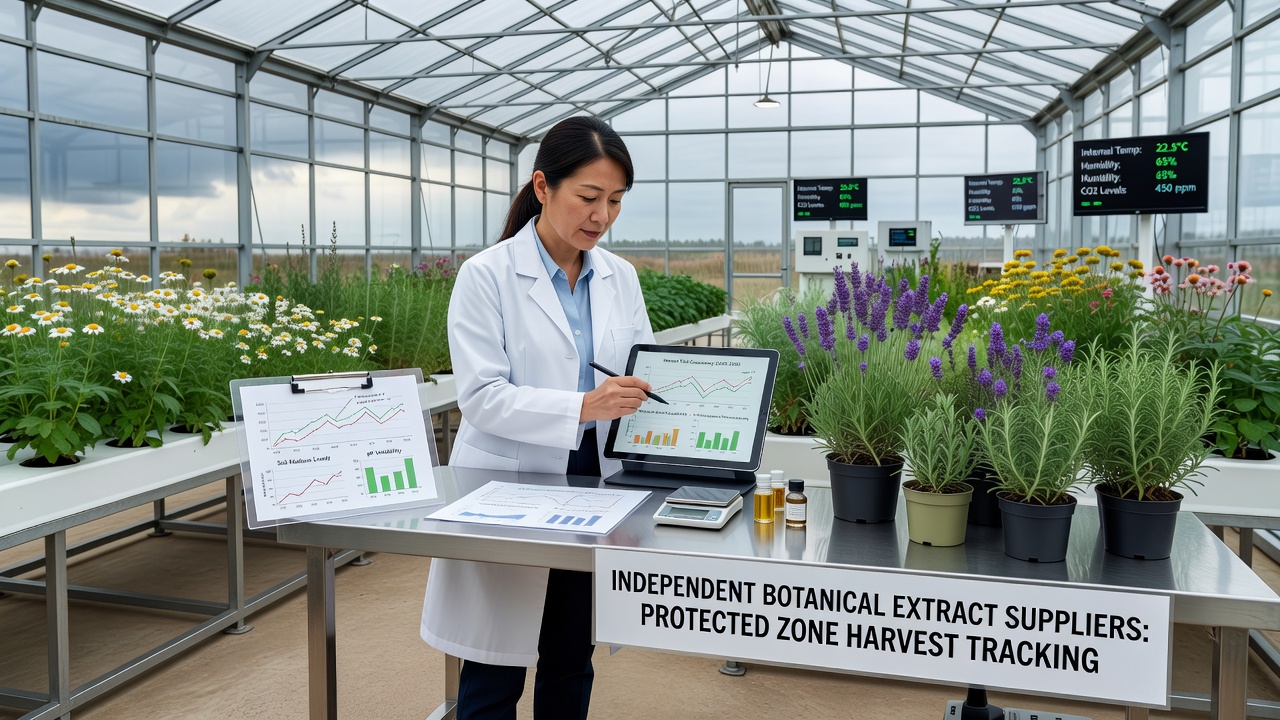
Climate variability continues to shape harvest outcomes for independent botanical extract suppliers who operate within protected growing zones where regulatory frameworks limit interventions such as irrigation expansion or chemical use. These zones often encompass biodiversity reserves and designated agricultural buffers that prioritize native species conservation while allowing limited commercial extraction of plants used for natural remedies and wellness products. Data collected across multiple regions indicate that fluctuations in temperature ranges and precipitation patterns directly influence flowering times, biomass accumulation, and secondary metabolite concentrations essential for extract potency.
Observed Patterns in Temperature and Precipitation Shifts
Long-term monitoring programs have recorded rising average temperatures in many protected zones since the early 2000s, with accelerated variability noted in both spring and autumn periods. Researchers tracking sites in temperate and subtropical reserves report that earlier spring warming can advance bud break by several weeks, yet subsequent cold snaps increase frost damage risks for delicate medicinal species. Precipitation records reveal more intense rainfall events interspersed with extended dry spells, conditions that alter soil moisture profiles and affect root development in shallow-soil environments common to protected upland areas.
Suppliers relying on consistent yields of plants such as echinacea, ginseng, and various aromatic herbs face direct consequences when these patterns disrupt standard growth cycles. Harvest windows narrow because plants reach peak bioactive compound levels at unpredictable intervals, forcing operators to adjust collection schedules within the constraints of zone access permits that often restrict entry during sensitive ecological periods.
Impacts on Yield Consistency and Extract Quality
Field studies compiled by agricultural research institutions show measurable declines in harvest uniformity for small-scale suppliers. In zones where annual precipitation deviates more than 15 percent from historical averages, biomass yields for targeted botanical species drop by corresponding margins according to multi-year datasets. Secondary effects include changes in essential oil profiles and alkaloid content, which laboratories measure through standardized testing protocols before extraction batches receive certification.
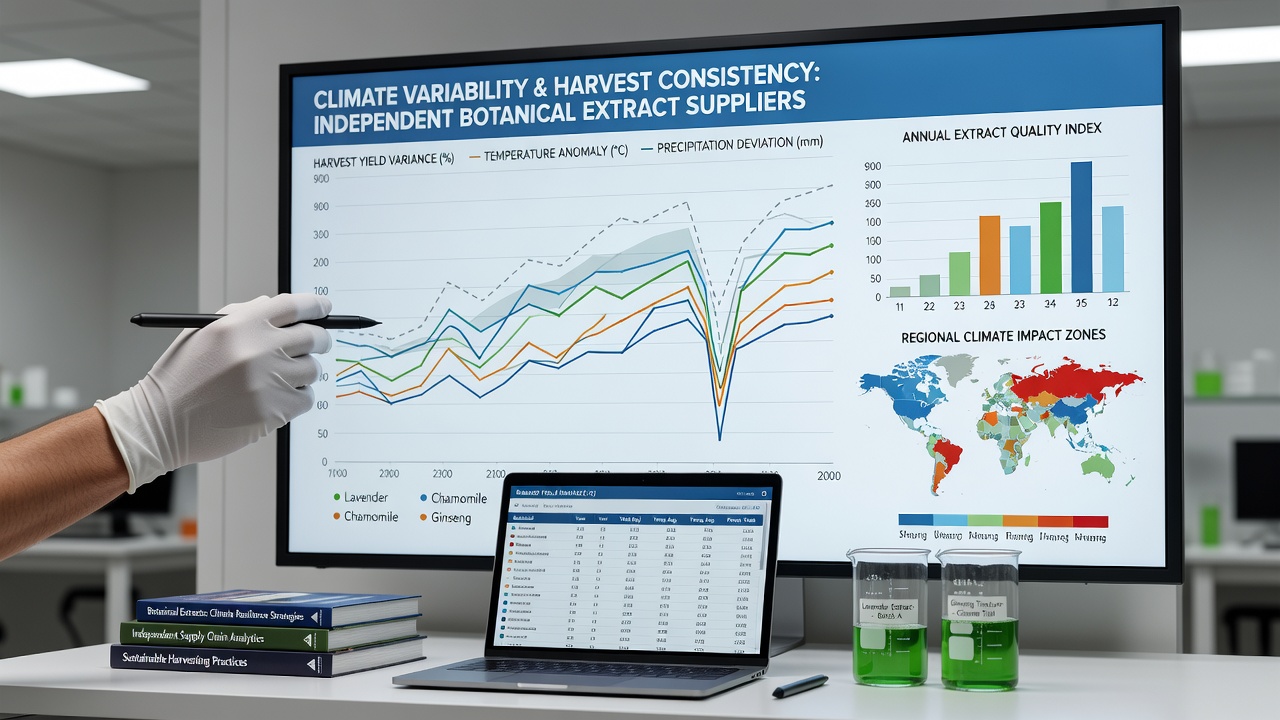
Independent operators document these shifts through internal logs that compare current season outputs against five-year baselines. One documented case in a European protected reserve tracked a 22 percent reduction in viable harvest material for a key extract ingredient during a season marked by unseasonal drought followed by heavy late rains. Such variability compels suppliers to source supplemental material from additional permitted sites, increasing logistical costs while maintaining compliance with traceability requirements enforced by regional authorities.
Regulatory and Operational Constraints in Protected Zones
Protected growing zones operate under layered governance structures that include national park regulations, international biodiversity agreements, and local permitting systems. These rules frequently prohibit supplemental watering systems or soil amendments that larger commercial farms employ to buffer against climate swings. Suppliers therefore depend on microclimate selection and timing precision to maximize consistency, yet climate data released in November 2026 from continental monitoring networks confirm that historical microclimate stability no longer holds across many reserves.
Access schedules tied to wildlife breeding seasons or plant regeneration cycles further restrict flexibility. Operators coordinate harvest teams around narrow windows that climate variability can shift by weeks, creating conflicts with permit expiration dates. Records from Australian and Canadian reserves illustrate how suppliers adapt by maintaining detailed phenological calendars updated with real-time weather station feeds from government meteorological services.
Adaptation Approaches Documented Across Regions
Some suppliers have adopted collaborative monitoring networks that share anonymized harvest data with university research teams studying climate resilience in medicinal plants. These partnerships generate predictive models based on temperature accumulation units and soil moisture thresholds, allowing advance planning for collection logistics. European Environment Agency summaries note that such data-sharing initiatives have expanded in protected zones across member states since 2022.
Seed banking and selective propagation within approved nursery sections of reserves represent another documented strategy. Suppliers working with native plant cooperatives maintain genetic stock selected for broader tolerance ranges, though introduction of new accessions still requires approval from zone management bodies to prevent ecological disruption. Reports from the Food and Agriculture Organization highlight similar programs operating in Latin American and Asian protected landscapes where botanical extraction supports local economies.
Conclusion
Tracing climate variability effects reveals a chain of connections between atmospheric patterns, plant physiology, regulatory boundaries, and operational realities for independent botanical extract suppliers. Protected growing zones impose both safeguards and limitations that shape how suppliers respond to shifting harvest conditions. Continued collection of field data through established monitoring frameworks provides the factual basis for understanding these dynamics across different geographic contexts.