Vera Müller · 7 October 2026
Ingredient Sourcing Transparency Methods Used by Small Batch Natural Remedy Creators in Regional Markets
Small batch natural remedy creators in regional markets rely on several established transparency methods to document where their ingredients originate and how they reach final products. These approaches include supplier verification programs, digital traceability tools, and certification standards that regional producers adopt to meet regulatory expectations in 2026. Observers note that such methods help creators maintain records that align with guidelines from bodies like the U.S. Food and Drug Administration and the European Food Safety Authority.
Supplier Verification and Direct Partnerships
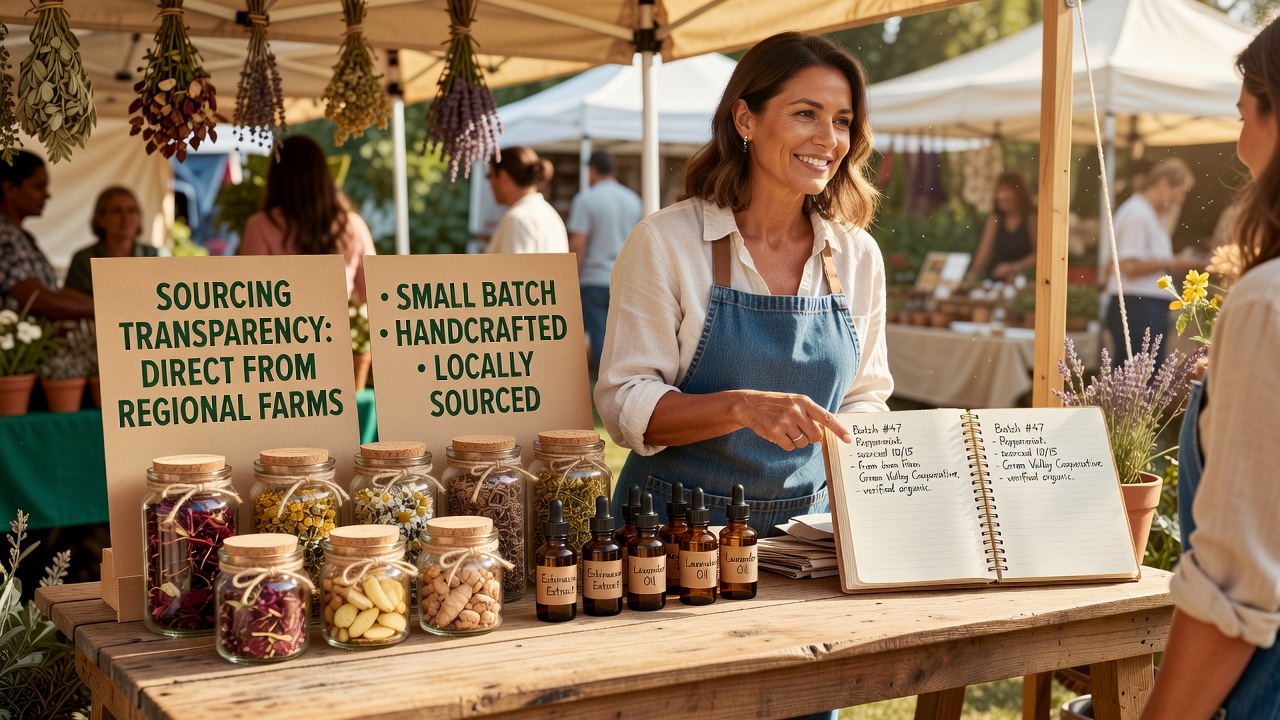
Creators often establish direct partnerships with farms and cooperatives within their regions, which allows them to conduct on-site visits and review harvest records. Data from industry reports indicate that these relationships reduce reliance on multiple intermediaries, thereby simplifying the chain of custody documentation. In October 2026, several regional networks in North America and Europe continue to expand these partnerships as a core transparency practice, with creators logging details such as soil testing results and cultivation dates through shared digital platforms.
Researchers have documented cases where small batch producers in the Pacific Northwest and Mediterranean areas use standardized supplier questionnaires to collect information on growing conditions and processing steps. Those questionnaires typically cover pesticide usage, water sources, and handling protocols, which creators then cross-reference against third-party audit reports. This process supports compliance with local market requirements while providing consumers access to summarized sourcing summaries via product labels or websites.
Digital Traceability Systems
Blockchain-based platforms and QR code systems represent another method that regional creators integrate into their operations. These tools enable batch-level tracking from raw material collection through extraction and formulation stages. Figures from recent supply chain analyses show increased adoption rates among producers in Australia and Canada, where creators link each ingredient lot to immutable records accessible through mobile scans.
One study from a Canadian research institution revealed that small batch teams using these systems can retrieve origin details within seconds during quality checks. The same analysis highlighted how such platforms integrate with existing inventory software, allowing creators to flag discrepancies in real time without disrupting production schedules. Regional markets benefit because these records help demonstrate adherence to import and export standards across borders.

Certification Standards and Labeling Practices
Third-party certifications such as organic, fair trade, and good manufacturing practice labels serve as established transparency markers. Creators in regional markets pursue these certifications to provide verifiable evidence of sourcing practices. According to data compiled by international agricultural organizations, certified operations in Asia and Latin America report higher rates of documented supplier compliance compared with non-certified counterparts.
Labeling requirements in many jurisdictions mandate disclosure of key ingredient origins, which pushes creators to maintain detailed internal logs. Experts have observed that these logs often include harvest locations, processing facilities, and transportation routes. In October 2026, updated harmonization efforts between U.S. and EU standards encourage creators to align their documentation formats, facilitating smoother cross-regional trade while preserving traceability details.
Community and Cooperative Sourcing Models
Some regional creators participate in cooperative sourcing models that pool resources for collective verification efforts. These models distribute the cost of audits and testing across multiple small operations, which makes transparency methods more accessible. Reports from trade associations in the United Kingdom and New Zealand indicate that cooperative structures help maintain consistent record-keeping standards even when individual batch sizes remain limited.
People involved in these models frequently share aggregated sourcing data through industry portals, enabling broader visibility into seasonal availability and quality variations. This collaborative approach supports regional markets by connecting creators with local agricultural extensions that offer guidance on record maintenance and regulatory updates.
Conclusion
Transparency methods for ingredient sourcing among small batch natural remedy creators continue to evolve through supplier partnerships, digital tools, certifications, and cooperative models. Regional markets in 2026 reflect these practices through documented supply chains that meet expectations set by regulatory bodies across multiple continents. The combination of traditional verification techniques and emerging technologies provides creators with flexible options to record and share sourcing information while supporting compliance and consumer access to origin details.